Drew Bauer · 2 September 2026
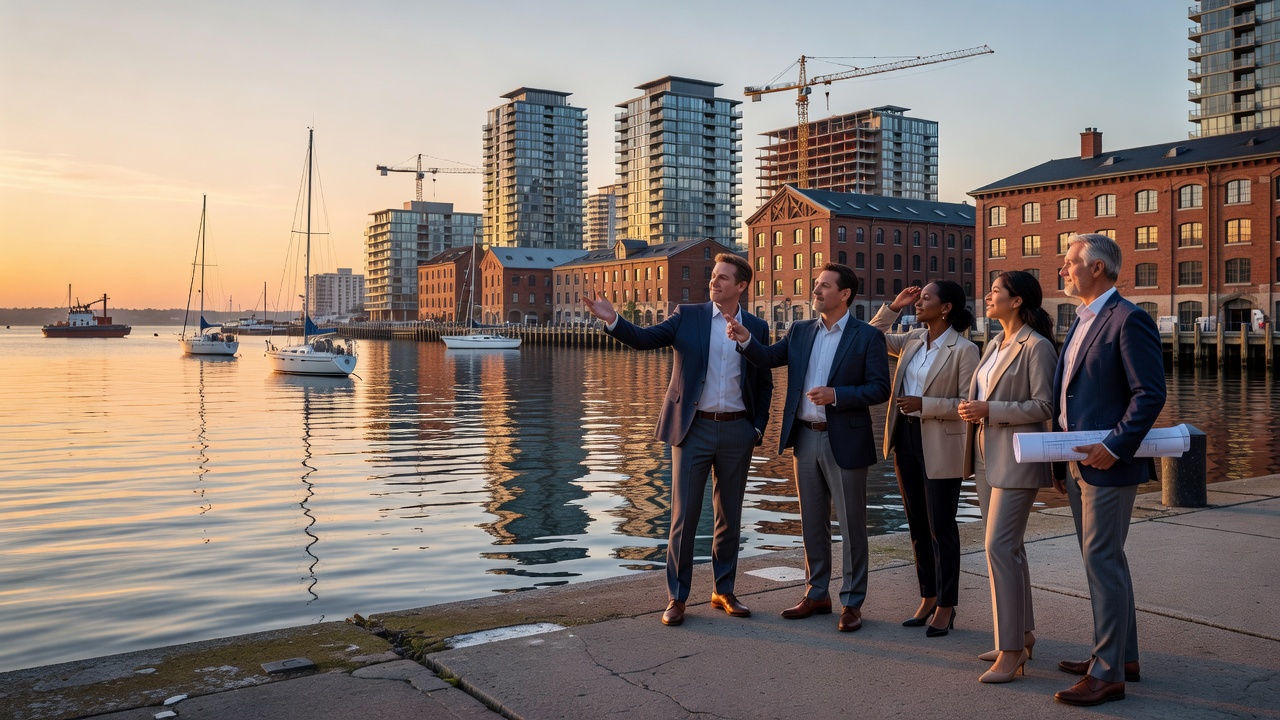
The Elmsly City Council has given its approval to a significant waterfront redevelopment project aimed at revitalizing the city's riverfront district. During a meeting held on Tuesday evening, council members voted 7-0 in favor of the plan, which promises to transform underutilized land into a vibrant mixed-use area.
The redevelopment initiative, proposed by the Elmsly Development Corporation, encompasses approximately 45 acres along the Elm River. It includes provisions for new residential units, commercial spaces, public parks, and improved infrastructure to enhance accessibility and flood resilience.
Key Components of the Plan
Central to the project is the construction of 300 new housing units, ranging from affordable apartments to luxury condominiums. Additionally, the plan calls for 150,000 square feet of retail and office space, designed to attract businesses and create local employment opportunities. Green spaces will feature prominently, with a 10-acre waterfront park including walking trails, picnic areas, and a boat launch facility.
Improvements to transportation infrastructure include the extension of Elm Street and the addition of bike lanes and pedestrian pathways. The project also incorporates sustainable design elements, such as stormwater management systems and energy-efficient buildings, to minimize environmental impact.
Anticipated Economic and Social Benefits
Proponents of the redevelopment argue that it will stimulate economic growth by generating an estimated 1,200 construction jobs and 500 permanent positions once completed. The increased foot traffic is expected to boost local businesses and tourism in Elmsly. Councilor Jane Thompson noted that the project aligns with the city's long-term vision for sustainable urban development.
Opposition was minimal, though some residents expressed concerns about potential increases in traffic and housing costs. The council addressed these by including measures for traffic mitigation and affordable housing quotas. Construction is slated to begin in the spring of next year, with phase one expected to be completed within three years.
Funding for the project will come from a combination of municipal bonds, state grants, and private investments. The total estimated cost is $85 million. City officials emphasize that regular public updates will be provided throughout the development process to ensure transparency and community involvement.